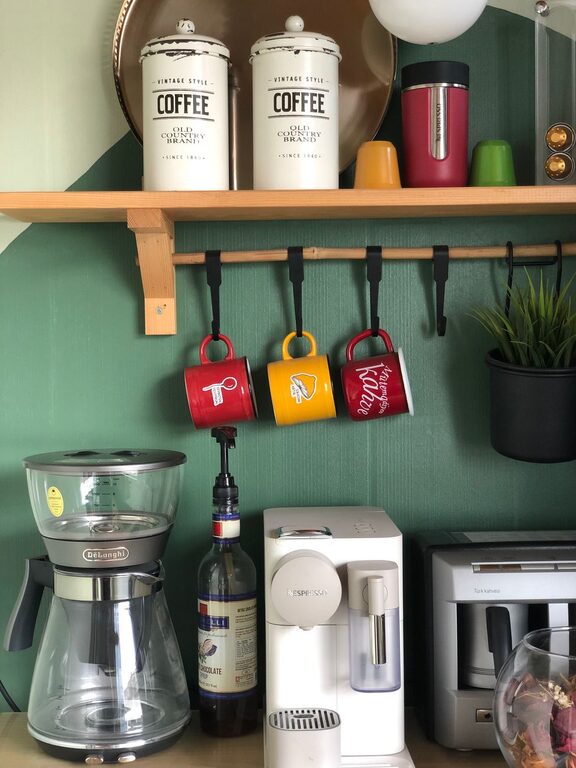
Reducing food waste at home is a win-win: it saves money, helps the environment, and makes your kitchen more efficient. Whether you live alone or have a big family, small changes can add up to significant reductions in the amount of food you throw away. This guide offers practical ways to minimize food waste and make the most of what you buy.
Why Reducing Food Waste Matters
Before diving into strategies, it’s helpful to understand why reducing food waste is important. When food is wasted, all the resources used to produce, transport, and store it—from water and energy to labor—are lost too. Plus, food that ends up in the trash contributes to greenhouse gas emissions when it decomposes in landfills.
By cutting back on food waste, you save money by buying less and using more of what you have. You also contribute to a healthier planet by reducing pollution and conserving resources.
Start with Smart Shopping
The first step to reducing waste is to avoid buying more food than you need.
Plan Your Meals
Take a few minutes each week to plan meals ahead. This helps you buy only the ingredients you need. Write a shopping list based on your plan to avoid impulse purchases.
Check What You Have
Before you go shopping, check your fridge, freezer, and pantry to see what items you already have. Using up what’s on hand prevents duplicates that might go bad.
Shop Smaller, More Often
If possible, shop more frequently for fresh items in smaller amounts. This way, you reduce the chance of produce spoiling before you use it.
Store Food Properly
Proper storage extends the life of your food and keeps it fresher longer.
Use Clear Containers
Transfer leftovers and opened products into clear, airtight containers to keep track of what you have and maintain freshness.
Understand Storage Tips for Different Foods
– Fruits and Vegetables: Some fruits release ethylene gas that hastens ripening. Store ethylene-producing fruits such as apples away from sensitive vegetables like lettuce or broccoli.
– Bread: Store bread in a cool, dry place or freeze it to prevent mold.
– Dairy and Meat: Keep these items in the coldest part of the fridge and use by their expiration dates.
Label Your Food
Write the date when you store leftovers or opened packages to help you use them before they spoil.
Use Leftovers Creatively
Leftovers are valuable and can be repurposed into tasty meals.
Make New Dishes
Turn last night’s roast into sandwiches, salads, or soups. Use vegetable scraps to make broth.
Freeze for Later
If you’re unlikely to eat leftovers within a day or two, freeze them in portioned containers. This prevents waste and saves cooking time on busy days.
Portion Control
Serve smaller portions initially and keep seconds available. This reduces uneaten food on plates.
Manage Expiring Items
Keeping track of what needs to be used soon helps reduce spoilage.
Organize Your Fridge and Pantry
Place items with the earliest expiration dates at the front, so they get used first.
Use Apps or Reminders
Consider using smartphone apps designed to track food inventory and reminders for expiration dates.
Compost Food Scraps
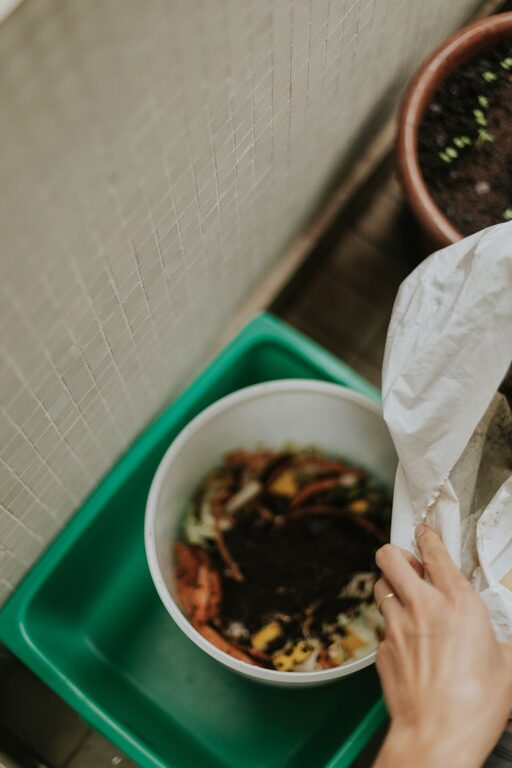
If you have food waste that can’t be eaten, composting is a great option.
What to Compost
Vegetable peels, fruit scraps, coffee grounds, and eggshells can all be composted instead of sent to the landfill.
Start Small
Even a small container in your kitchen for compostable scraps encourages less trash going out.
Educate Everyone in the Household
When everyone understands the importance of reducing food waste, it becomes a shared effort.
Involve Kids
Teach children about food waste and how to taste before taking more food.
Share Tips and Recipes
Encourage family members to share creative leftover recipes or storage tips.
Final Thoughts
Reducing food waste at home doesn’t require major lifestyle changes. With simple habits like thoughtful shopping, proper storage, and creative reuse, you can make a big difference. These small steps help save money, reduce environmental impact, and create a more mindful relationship with the food you enjoy every day. Start with one or two strategies and build from there—your kitchen and the planet will thank you!