
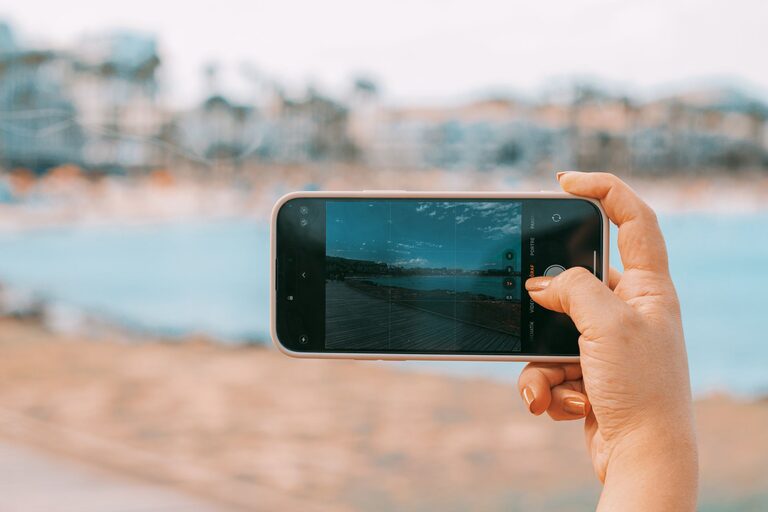
Taking great photos with your phone is easier than ever thanks to advances in smartphone camera technology. Whether you want to capture memorable moments, improve your social media posts, or explore photography as a hobby, there are simple steps anyone can take to enhance their shots. This guide offers practical tips for beginners to elevate their phone photography and take clearer, more compelling images.
Understand Your Phone’s Camera Features
Before diving into photography techniques, spend some time exploring your phone’s camera app. Most smartphones come equipped with various modes and settings that can help you take better photos:
– HDR Mode: High Dynamic Range helps balance bright and dark areas in your photos, making details in shadows and highlights more visible.
– Grid Lines: Turn on the grid to help apply the rule of thirds, which improves composition by aligning subjects along gridlines or intersections.
– Focus and Exposure: Tap the screen to set focus on your subject and adjust exposure (brightness) by sliding your finger up or down.
– Different Lenses: If your phone has multiple lenses (ultra-wide, telephoto), experiment with them to capture different perspectives.
– Timer: Use the timer for steady shots and group photos.
Understanding these tools will give you more control over your photos.
Composition Tips for Better Photos
Good composition makes your photos more engaging. Here are some beginner-friendly tips:
Rule of Thirds
Imagine dividing your frame into nine equal rectangles by two vertical and two horizontal lines. Place your subject or points of interest along these lines or where they intersect. This creates balance and makes photos more interesting.
Leading Lines
Use natural lines in the environment, like roads, fences, or buildings, to lead the viewer’s eye toward the main subject. This adds depth and guides attention.
Framing
Look for elements that frame your subject, such as branches, doorways, or windows. Framing creates a focused, artistic effect.
Simplicity
Avoid clutter. A simple background helps your subject stand out. Move around to find plain or contrasting backgrounds that highlight your subject.
Perspective and Angles
Try shooting from different heights and angles. Get low, shoot from above, or try a side angle to add variety and interest to your photos.
Practical Shooting Tips
Use Natural Light
Natural light usually produces the best results. Shoot outdoors during the golden hours—shortly after sunrise or before sunset—for warm, soft light. Avoid harsh midday sun which can cause strong shadows.
Hold Your Phone Steady
Camera shake causes blurry photos. Hold your phone with both hands, keep your elbows close to your body, and stand still while shooting. You can also rest your phone on a stable surface for extra steadiness.
Clean Your Lens
It’s easy to overlook, but a dirty lens can make your photos look foggy or blurry. Wipe the lens gently with a soft cloth regularly.
Avoid Digital Zoom
Digital zoom reduces image quality by cropping and enlarging the photo. Instead, move closer to your subject when possible or use your phone’s optical zoom if available.
Use Burst Mode for Action Shots
When photographing moving subjects, use burst mode to take several shots quickly. This increases your chances of capturing a sharp, well-timed photo.
Editing Your Phone Photos
Editing can enhance your photos and correct minor issues. Many phones include built-in photo editors, or you can use free apps.
– Crop: Improve composition or remove distractions.
– Adjust Brightness and Contrast: Make photos clearer and more vibrant.
– Saturation and Warmth: Enhance colors but avoid overdoing it.
– Sharpening: Add subtle sharpness to bring out details.
– Filters: Use sparingly to maintain a natural look.
Remember, editing should enhance your photo without drastically changing the scene.
Practice and Experiment
Like any skill, photography improves with practice. Take photos regularly, experiment with different settings, subjects, and lighting conditions. Review your photos to see what works and what doesn’t, and don’t be afraid to try new things.
Summary
Taking better phone photos is largely about understanding your camera’s features, paying attention to composition, using good lighting, and practicing consistently. With these beginner tips, you’ll be able to capture clearer, more visually appealing photos that you’ll love to share. So, grab your phone and start shooting!