Creating a weekly meal plan can transform the way you approach cooking and eating. Instead of wondering what to make each day or making last-minute trips to the grocery store, a simple meal plan helps you stay organized, save time, and eat more balanced meals. Whether you are a busy professional, a parent, or someone who simply wants to streamline mealtime, this guide will walk you through how to create a straightforward weekly meal plan that fits your lifestyle.
Why Create a Weekly Meal Plan?
Before diving into the steps, it’s helpful to understand the benefits of meal planning:
– Saves Time: Knowing what to cook reduces daily decision-making and grocery trips.
– Reduces Stress: Eliminates the last-minute “what’s for dinner?” dilemma.
– Saves Money: Prevents impulse shopping and food waste.
– Encourages Healthy Eating: Helps you include balanced meals with the right nutrients.
– Simplifies Grocery Shopping: You shop with a clear list, making trips faster and more efficient.
Step 1: Assess Your Week Ahead
Start by reviewing your schedule. Consider the days you’ll have time to cook, any social events, or meals you might eat out. This helps you decide how many meals you need to plan at home.
– Mark busy days for quick or leftover-friendly meals.
– Identify days where you can invest more time in cooking.
– Plan for breakfasts, lunches, and dinners, or just dinners, depending on your needs.
Step 2: Decide on Your Meals
Think about the types of meals you enjoy and want to include. Consider variety to keep meals exciting and balanced.
– Include a mix of proteins (chicken, fish, beans), vegetables, grains, and healthy fats.
– Use themes for days, such as Meatless Monday or Taco Tuesday, to make planning easier.
– Incorporate leftover days or batch-cooked meals to save time.
Step 3: Gather Recipes
Having a collection of go-to recipes makes meal planning straightforward. Choose simple, reliable recipes that match your cooking skills and time availability.
– Use recipe apps, cookbooks, or websites to find ideas.
– Opt for meals with ingredients you already like and keep on hand.
– Consider recipes that can be adjusted for multiple servings.
Step 4: Create Your Meal Plan Grid
Use a simple format to map out your meals for the week. This can be on paper, a printable template, or a digital tool.
– Write down breakfasts, lunches, and dinners for each day.
– Include snack ideas if desired.
– Note any meals that need to be started earlier (like marinating or slow cooking).
Step 5: Make Your Grocery List
From your plan, list all ingredients needed. Organize your list by store sections (produce, dairy, pantry) for quicker shopping.
– Check your pantry and fridge first to avoid buying duplicates.
– Buy staples in bulk if you use them frequently (rice, pasta, spices).
– Consider seasonal produce for freshness and savings.
Step 6: Shop Smart
When grocery shopping, stick to your list to avoid impulse buys. If possible, shop once a week to save time and reduce trips.
– Consider shopping online or using curbside pickup if available.
– Bring reusable bags and keep your list handy.
– Look for sales or coupons for items on your list.
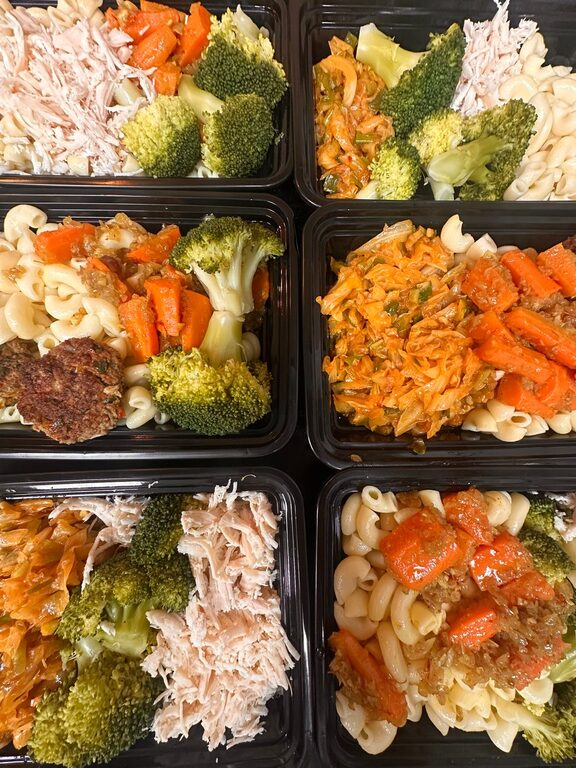
Step 7: Prep Ahead
Meal prepping can save even more time during the week.
– Chop vegetables, cook grains, or portion snacks in advance.
– Batch cook proteins or meals that reheat well.
– Store prepped ingredients in clear containers for easy access.
Tips for Success
– Stay Flexible: It’s okay to swap meals or adjust plans as needed.
– Include Your Family: Get input from those you cook for to make meals enjoyable.
– Keep It Simple: Focus on easy recipes to avoid overwhelm.
– Use Leftovers Creatively: Transform leftovers into new dishes like soups or wraps.
– Track What Works: Make notes on favorite meals and planning strategies.
Sample Simple Weekly Meal Plan
| Day | Breakfast | Lunch | Dinner |
|———–|—————–|——————–|——————-|
| Monday | Oatmeal with fruit | Turkey sandwich | Stir-fry veggies with chicken |
| Tuesday | Yogurt and granola | Salad with chickpeas | Taco night with ground beef |
| Wednesday | Smoothie bowl | Leftover stir-fry | Baked salmon and quinoa |
| Thursday | Eggs and toast | Soup and crackers | Pasta with marinara sauce |
| Friday | Pancakes | Chicken wrap | Homemade pizza |
| Saturday | Bagel with cream cheese | Grilled cheese | Grilled steak and veggies |
| Sunday | French toast | Salad with tuna | Roast chicken with potatoes |
Creating a weekly meal plan is a simple habit that can bring big benefits. By taking a little time each week to plan, shop, and prep, you’ll enjoy less stress, healthier choices, and more enjoyable mealtimes. Give it a try—you might find yourself looking forward to cooking more than ever!